Guinea-Bissau validates draft law and clinical guidelines for safe abortion care, advancing the protection of women’s health and rights
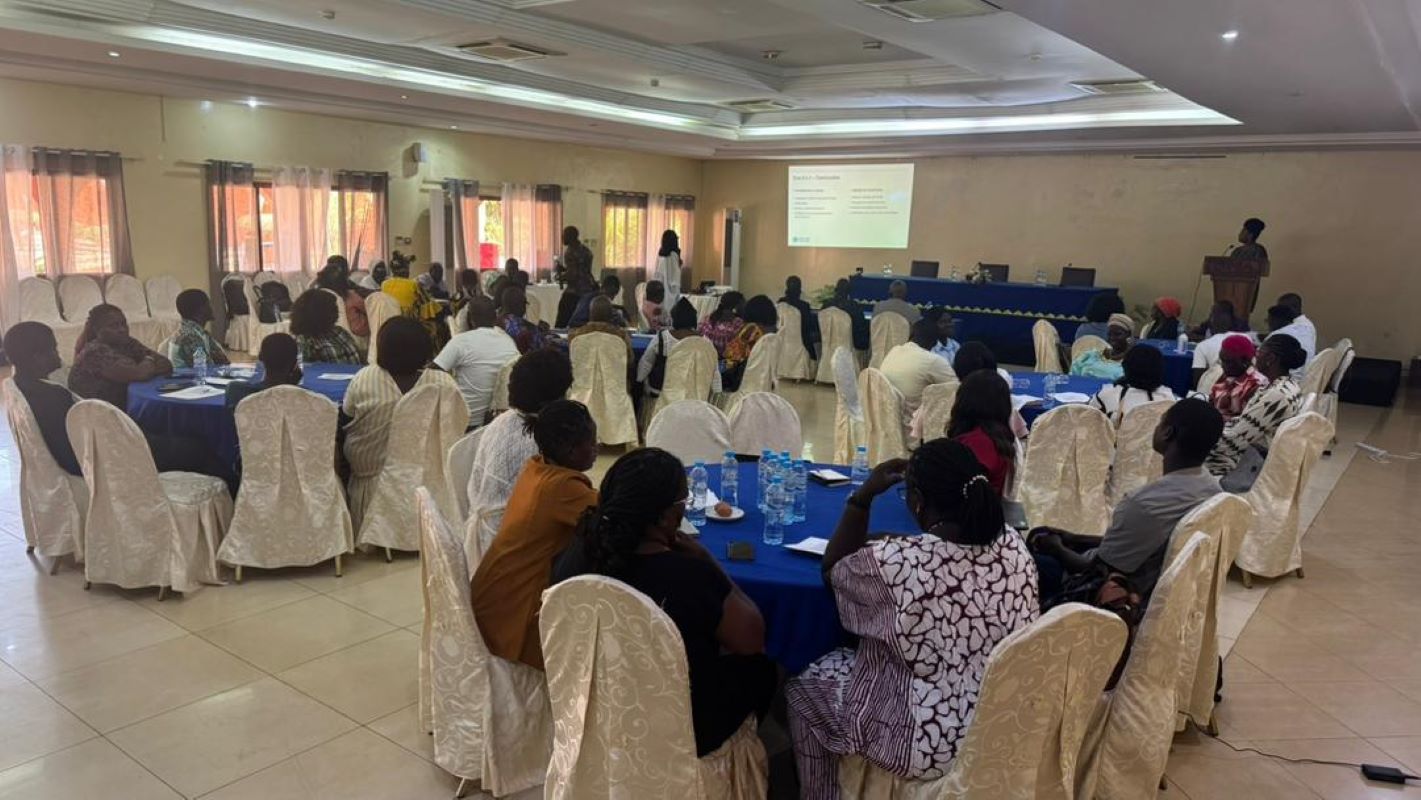
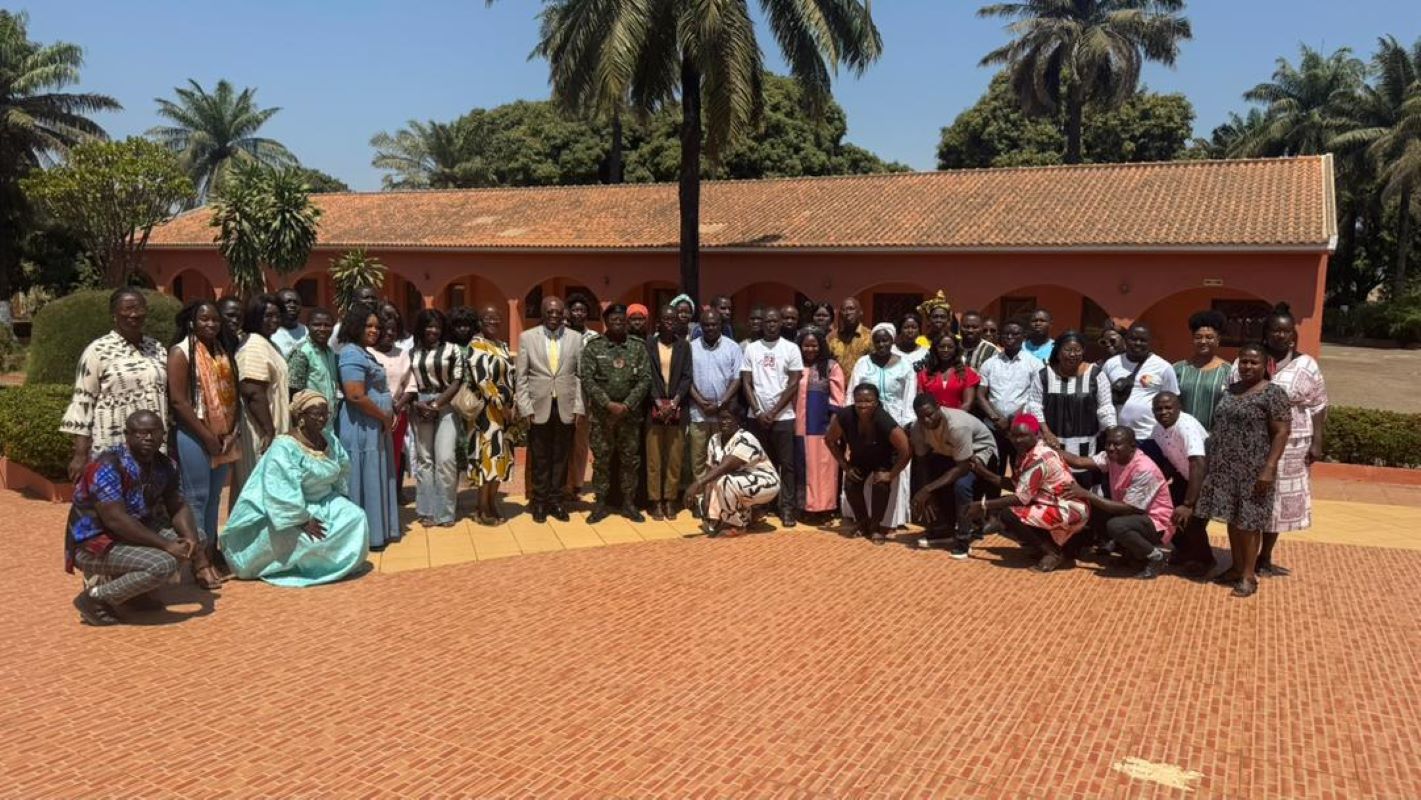
Bissau—Guinea-Bissau has taken an important step in strengthening maternal health and women’s rights with the technical validation of the Draft Law on Safe Abortion Care and the corresponding Clinical Guidelines, during a national Seminar held from 25 to 27 March in Bissau.
Led by the Ministry of Public Health, with technical support from the World Health Organization (WHO), the Seminar brought together representatives from state institutions, development partners, professional associations, and civil society in a technical, multisectoral, and evidence-based dialogue.
A step forward for public health
Over the three days, participants reviewed and discussed the final drafts of the law and clinical guidelines through group work, plenary discussions, and a final validation session. The process culminated in the Ministry of Public Health’s announcement of the technical validation of these documents, marking an important milestone in strengthening the normative and programmatic framework for sexual and reproductive health in Guinea-Bissau.
This initiative takes place in a context where maternal mortality remains a significant public health challenge in the country. Many complications related to reproductive health, including those resulting from unsafe procedures, can be prevented through evidence-based public policies, clear regulatory frameworks, and the provision of quality health services. In this regard, strengthening the legal and clinical framework in this area represents a strategic measure to improve the health system’s response, protect lives, and promote safer, higher-quality, and more person-centered care.
Rights, dignity and autonomy
The Seminar reaffirmed the need to address sexual and reproductive health from a public health, gender, equity, and human rights perspective. In this context, ensuring that women and girls have access to information, protection, and quality health services is essential for a safe, dignified, and needs-based response.
The validation of these documents also represents an important step in strengthening women’s autonomy by recognizing the importance of informed decision-making regarding their health and bodies, supported by clear regulations, sound clinical guidance, and appropriate health services. This approach contributes to reducing risks, preventing avoidable complications, and promoting a more equitable and effective response in sexual and reproductive health.
Institutional commitment
In his closing remarks, the Minister of Public Health emphasized that the validation of the draft law and clinical guidelines goes beyond the development of technical and legal instruments, contributing to a more effective health system response to the needs of women and families in Guinea-Bissau, with greater safety, regulatory clarity, and respect for human dignity.
On the same occasion, Dr. Walter Kazadi Mulombo, Acting WHO Representative, highlighted that this step is essential to align the national framework with international best practices, strengthen the legal and professional security of healthcare providers, and reduce avoidable complications associated with maternal mortality and morbidity.
Continued WHO support
WHO reaffirmed its commitment to continue supporting the Government of Guinea-Bissau in consolidating and implementing these measures through evidence-based policies and guidance, with a view to strengthening the health system, reducing maternal mortality, and promoting a more equitable, inclusive, and people-centered response.
Gender, Equity, and Human Rights Officer
damaria [at] who.int (damaria[at]who[dot]int)